Breadcrumbs: Home > House Sitting Guide > House Sitting Safety
📊 QUICK FACTS:
THS platform stat (2026): 98% of sits have 5-star reviews — out of 9,586 active listings
Biggest safety tool: The video call — if you do not gel, cancel. There will always be another sit
Solo female safety: If anything feels off during the call, walk away. Comfort during the call predicts comfort during the sit
Emergency mindset: Slow everything down. Work through it step by step
Digital safety: Always ask homeowners before posting photos of their home or pets online
Here is the number that matters most when someone asks whether house sitting is safe: 98%.
That is the figure TrustedHouseSitters now leads with — 98% of their sits receive five-star reviews. As of writing this article, there are 9,586 active listings on the platform. That means only around 190 of them have ever produced a review below five stars. And that below-five category includes four stars, three stars, all the way down. The chances of a genuinely bad house sitting experience are rare. Not impossible, but rare enough that the fear keeping most people from trying is far larger than the actual risk.
What makes this stat more meaningful in 2026 than it was even two years ago is the double-blind review system THS uses. Neither the homeowner nor the sitter can read the other's review until both have submitted — or until a 14-day window closes. This removes the single biggest distortion in any review system: the fear of retaliation. A sitter can now leave an honest account of a difficult sit without worrying that the homeowner will read it and respond badly before submitting their own review. The 98% figure reflects genuine satisfaction, not diplomatic silence. That distinction matters.
After 15+ sits across 9 countries, Caro and I have never had a serious safety incident. What we have had is a clear system for vetting sits, a mindset for handling the unexpected, and enough community knowledge to know what genuine red flags look like. This is all of that, written honestly.

Why the Platform Itself Is Your First Line of Defence
A common assumption is that house sitting platforms are like notice boards — open, unfiltered, anyone can post. The reality is the opposite. The paid membership model is one of the most effective vetting tools that exists, and it works precisely because it is financial.
Anyone willing to pay €129 or more per year for access to a platform is demonstrating commitment. They are not anonymous. Their ID is verified. Their face is on their profile. Their name is tied to their account. They cannot delete their history and start fresh the way someone can on a free forum or a Facebook group. Every interaction they have on the platform builds a public record that follows them.
THS actively bans accounts that abuse the system. The review mechanism surfaces bad actors quickly — a homeowner who treats sitters poorly, or a sitter who leaves a home in poor condition, accumulates a visible trail that other members can see. The platform acts on reports. The result is a community that self-regulates with unusual effectiveness.
This does not mean nothing ever goes wrong. Caro came across a listing recently with a review history that told a remarkable story — a sitter had her bag raided by the homeowner's daughter, who stole makeup while the sitter was in the house. The homeowner, on discovering this, ensured everything was returned, offered compensation, and posted a public review explaining what had happened and apologising to future sitters. The system worked exactly as it should: the incident was documented, accountability was public, and future sitters had the full picture.
That story actually increased our confidence in the platform rather than reducing it. It showed that even when something genuinely bad happens, the community response is to correct it transparently rather than cover it up.
The Video Call Is Your Most Important Safety Check
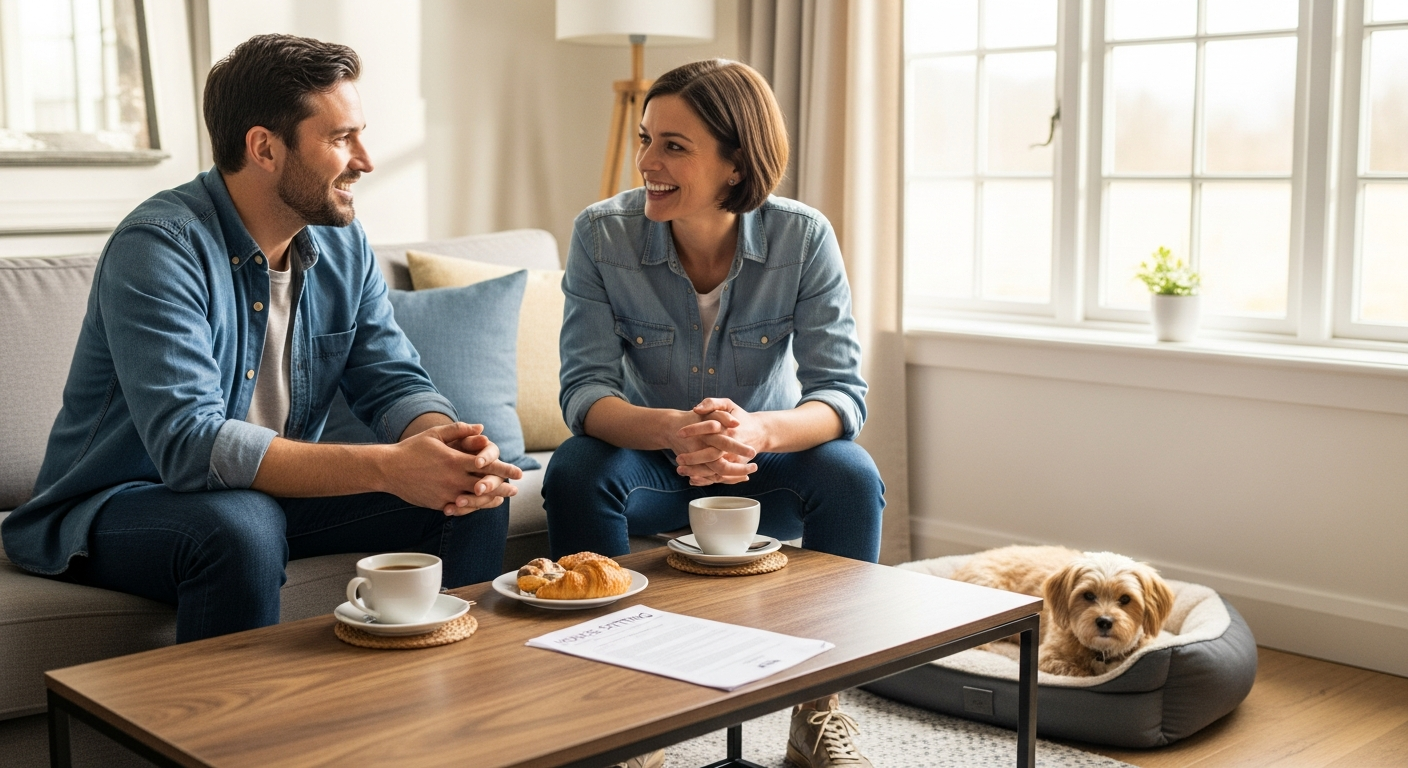
We have never accepted a sit without a video call. Not once. And if we do not feel comfortable during that call, we do not proceed — regardless of how good the listing looks or how beautiful the location is.
This sounds simple. It requires more confidence than most new sitters realise they need.
The video call tells you things a listing cannot. You see how the homeowner communicates, whether they are relaxed or evasive, how they talk about their animals, whether the home in the background matches the photos. You get a feel for the person in a way that no written exchange can replicate. In our experience the video call predicts the sit almost perfectly. If you feel comfortable during the call, you will almost certainly feel comfortable during the sit. If something feels off during the call, it will not improve when you arrive.
When we applied for the sit with the incoherent voice messages — a homeowner with a great dog, a pool, and an outdoor shower who could never commit to firm dates and communicated strangely — we let it go. We did not try to rationalise it or give him the benefit of the doubt. We informed him we had found another sit and moved on. That decision led us to Ostuni, which was a significantly better experience.
There will always be another sit. With house sitting growing at around 9% annually, the pool of available listings only gets larger. Do not force yourself into a sit because it seems like the best option available today. A better one may appear tomorrow.
Safety Advice for Solo Female Sitters
Caro has never sat alone, and on our joint video calls I tend to lead because English is my first language. When a homeowner communicated in German, Caro took over naturally — it pushed her comfort zone and she is now confident handling those exchanges herself. Having a partner on every call has meant she has not faced the specific pressure that solo female sitters navigate.
But we have read enough forum posts and Reddit threads to know that the risk is real. One post described a woman who arrived at a sit — booked through a different platform — to find the male homeowner in a bathrobe, acting overly familiar during the house tour. If you are ever in that situation, leave immediately and report the homeowner to the platform. Your physical safety is more important than the sit, the free accommodation, or the review you might receive. No house sit is worth remaining in a situation that feels unsafe.
The practical protections are: always do a video call first, trust your instinct completely if something feels wrong during it, and — as we have said throughout our guides — do not travel specifically for a house sit. If you are already in a location as a tourist and a sit presents itself, your exit options are different to those of someone who has flown across the world for a single booking. Being in a place as a tourist first means you have somewhere to go if a sit turns out to be wrong.
💰 The 24-Hour Escape Fund: We recommend every solo sitter keeps at least €300 — or £250 for UK sits — set aside as a safety fund. Enough to book a hotel immediately if you walk into a situation that feels wrong. Never let your bank balance dictate whether you can leave. That money exists for one purpose only and should never be touched for anything else.
For the specific questions we use to vet homeowners before accepting any sit, see our house sitting video call guide — the vetting section applies equally to solo sitters screening for safety.
The Kefalonia Lesson: When to Stay and When to Leave
The Kefalonia sit was the closest we have come to genuinely considering leaving mid-sit. The listing showed one dog and one cat. The reality was nine cats, several with fleas, two weeks of bites that accumulated into a low-level misery that is harder to describe than it sounds.
It was not dramatic. Nobody was in danger. But flea bites affect your mind more than your skin. You begin to feel like something is on you at all times. You scratch at nothing. You check your arms. You stop sleeping properly. Over two weeks that became genuinely wearing.
We stayed. The rest of the sit — the island, the dog was lovely enough to make it worth it. But there were days where we discussed leaving seriously.
Looking back, the lesson is about gradation. People are good at tolerating situations that are slightly uncomfortable because the discomfort is manageable. It is when something crosses a clear threshold that the instinct to leave becomes urgent. A small patch of mould in a corner is liveable. A wall covered in it prompts immediate action. Both are health risks. Only one registers as an emergency.
The practical principle: if a sit has a problem that is worsening, escalate your response before it reaches the point where leaving feels like the only option. Contact the homeowner early, document the issue, contact the housesitting platform support if necessary. The flea situation in Kefalonia was mentioned to the homeowner as soon as we noticed it — she arranged treatment immediately. Early communication gives the problem a chance to be solved. Silence lets it compound.
If you do reach the point where leaving is the right decision, that is a valid choice. Our cancellation guide covers exactly how to exit a sit that has become untenable.
Emergency Preparedness: Slow Everything Down
I spent years as a qualified lifeguard and outdoor instructor with advanced first aid certification. The single most useful thing I was ever taught has nothing to do with specific techniques. It is this: when something goes wrong, slow down.
The image my instructor used was rolling a cigarette — a deliberate, focused, unhurried action. Those few seconds of conscious deceleration stop the panic reflex that causes people to make poor decisions under pressure. When you panic, you jump to conclusions. You skip steps. You make the situation worse. Slowing down gives you the gap between stimulus and response where good judgement lives.
When Caro broke a glass at a sit, the sequence was: hold the dog back, put shoes on, take a photo, get the dustpan, clean up, message the homeowners with an apology. Each step in order, nothing rushed, nobody hurt. That is how you handle an unexpected event at a house sit — not by immediately messaging the homeowners in a panic, but by securing the situation first and communicating once you have something useful to say.
The order in any genuine emergency: remove yourself and the pets from danger, secure the home, contact emergency services if needed, contact the homeowner. Then work through everything step by step from there.
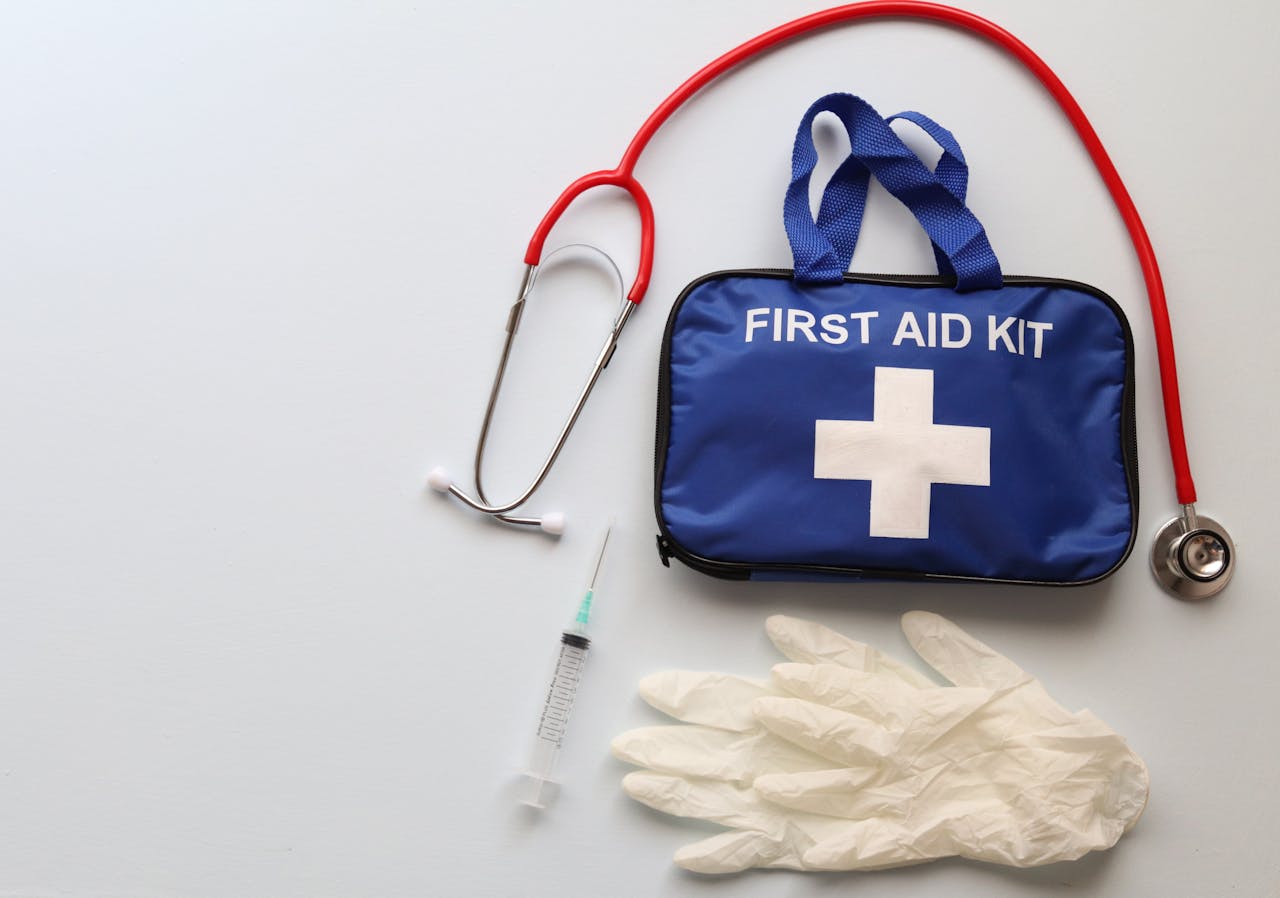
We carry a first aid kit in the campervan. For sits, the emergency contacts are always provided by the homeowners — it should be one of the first things covered in the handover. If your homeowner has not provided a local vet number, a neighbour contact, and a number to reach them at any hour, ask before they leave.
The THS 24/7 vet line is worth knowing about independently of any specific emergency. We used it in Bochum when one of the cats developed a swollen paw — within minutes we had a remote assessment from a qualified vet, a diagnosis of a bee sting, and a care plan. By the time the homeowner responded to our message we had already handled it. That calm, step-by-step approach is what good emergency preparedness looks like in practice. It is also exactly why we pay for the THS Premium plan.
Digital Safety: A Simple Rule
Homeowners already upload photos of their homes and their pets to house sitting platforms, and those listings are viewable by anyone — you do not need to be a member to browse them. The information is already out there to some degree.
That does not mean you should post freely. The rule is simple: ask the homeowner before posting anything about their property or pets on social media or a blog. It is their home. It is their animals. If they would rather you did not post, respect that. Most homeowners are happy for you to share photos of the pets. Some prefer the home's location to remain private. The conversation takes ten seconds and removes any ambiguity.
For anyone running a house sitting blog or content account, as we do, make this a standard part of your pre-sit conversation. We have started asking this as routine. It is the right thing to do and homeowners genuinely appreciate being asked.
The broader digital safety principle: you do not need to broadcast your real-time location while sitting. Posting that you are in a specific home, in a specific city, on a specific date is unnecessary detail. Share the experience. Protect the specifics.
Is House Sitting Safe?
After 15+ sits, the honest answer is yes — and the 98% five-star figure is not marketing. It reflects a community built around reputation, where the incentive to behave well is structural and permanent. Both homeowners and sitters have everything to lose from a bad review and everything to gain from a good one. That shared stake is the most powerful safety mechanism any platform can have.
Use the video call as your primary filter. Walk away from anything that does not feel right. Stay calm when the unexpected happens. Ask before you post. And remember that with thousands of sits available at any given moment, there is no sit worth compromising your safety for.
Konrad & Caro 🐾🚐
DM us @housesittersguide if you have questions — we answer everyone!
FAQ
s house sitting safe for beginners?
Yes. The platform infrastructure — paid membership, ID verification, verified reviews, and active moderation — filters out most bad actors before you ever interact with them. Start with a short local sit to build your confidence and your profile. The risk profile of a nearby weekend cat sit is extremely low and gives you a feel for the process before taking on anything longer or further from home.
What should I do if I feel unsafe during a house sit?
Leave. Your safety comes before the sit, the review, or any obligation you feel toward the homeowner. Document the situation, contact THS support, and remove yourself from the property. If there is an immediate danger, contact local emergency services first. No house sitting arrangement is worth remaining in a genuinely unsafe situation.
How do I screen a homeowner before accepting a sit?
Read every review on their profile carefully, not just the star rating. Do a video call and pay attention to how they communicate, how they talk about their animals, and whether anything feels evasive or inconsistent. If the call does not feel right, decline. There will always be another sit.
What is the biggest safety risk for solo female house sitters?
Meeting a homeowner in person whose behaviour was not flagged during the video call — either because the video call was skipped or because the signs were subtle. Always do a video call. Trust your instinct completely if anything feels uncomfortable during it. If a homeowner's behaviour on arrival is inappropriate, leave immediately and report it to the platform.
What should I do in a pet emergency during a house sit?
Slow down first. Remove the animal from danger, secure the situation, then contact the THS 24/7 vet line if you are a Premium member, or take the animal to the nearest vet using the contact provided in the homeowner's welcome guide. Document everything as you go and contact the homeowner once the immediate situation is handled.
Can I post photos of a house sit property on social media?
Only with the homeowner's explicit permission. Ask before you post anything showing the property, its location, or identifying details. Most homeowners are comfortable with pet photos. Location-specific content should always be discussed first. When in doubt, ask.